
Last updated: October 25, 2026
In short: for Tool selection and buying decisions — The Complete Guide, the right tool is the one that fits the job, the power source, the space, and the amount of maintenance you will actually tolerate. Most bad purchases happen because a buyer chases a feature list instead of the use case, then ends up with too much tool, too little tool, or the wrong standard entirely.
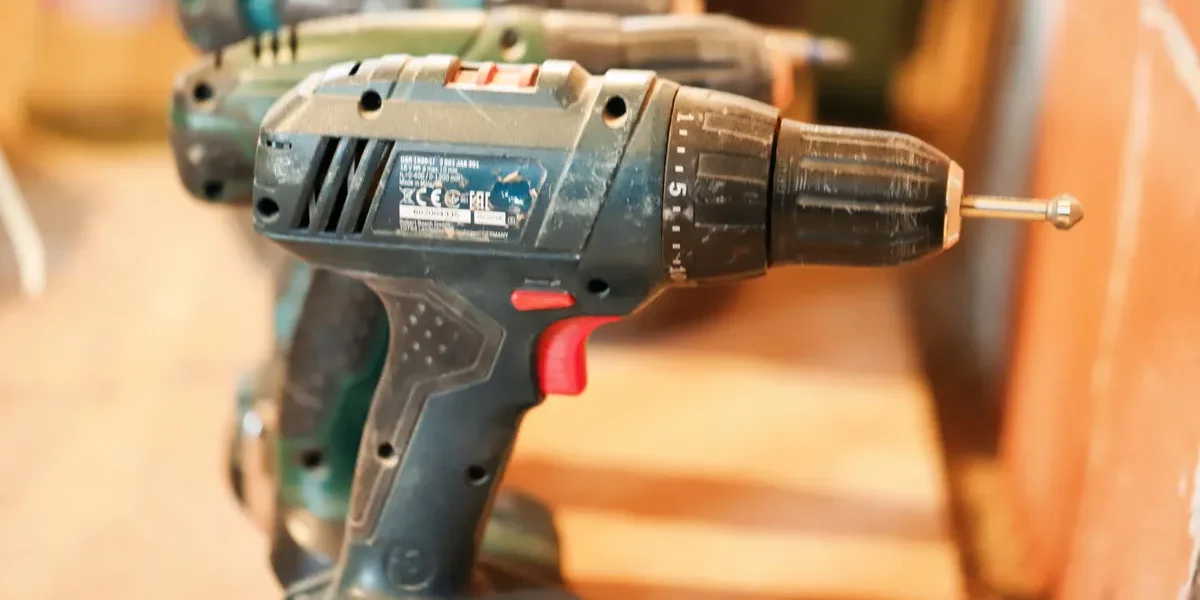
A reader making a tool-buying decision usually needs one answer: what should I buy for the work I do most often, and what trade-offs am I accepting by choosing it? This guide answers that directly, using a practical split between the two most common buying paths in Tool selection and buying decisions — the Complete Guide: corded tools and cordless tools. The same logic applies to drills, saws, sanders, vacuums, and many other power tools.
I write for readers who already know the task, but not the purchase. The right choice is not the tool with the most volts, the longest warranty, or the loudest marketing language. It is the one that matches the work pattern. A homeowner hanging shelves once a month has a different need from a contractor drilling 200 holes in a day, and a garage with one outlet has a different constraint from a jobsite with batteries already in a 18V ecosystem. In practice, that is why Tool selection and buying decisions — The Complete Guide starts with use case rather than brand.
The real decision in Tool selection and buying decisions: corded or cordless?
Corded tools win when runtime and sustained power matter more than mobility. Cordless tools win when access, speed, and portability matter more than tethered power. That is the first filter, and it is more useful than any brand ranking.
The mistake many buyers make is asking, “Which is better?” instead of, “What kind of inconvenience will I accept every time I use this?” A corded drill can run as long as the outlet does, and a corded sander can keep going without a battery swap. That matters in a workshop, on a bench, or anywhere the work stays near one place. Cordless tools remove the cord, which sounds minor until the task moves onto a ladder, into a crawlspace, or across a yard.
The trade-off is not abstract. Corded tools usually cost less up front because they do not include batteries and chargers. Cordless tools often cost more because the battery system is part of the purchase. That extra cost is not just for freedom of movement; it also buys compatibility if the brand uses the same battery platform across multiple tools. A buyer already invested in one battery family can save money by staying inside it. A first-time buyer, however, should look at the whole system, not just the bare tool.
The hidden issue is weight and fatigue. Cordless tools carry the battery on the handle or base, which changes balance. That may not matter on a short task, but it does on long sessions or overhead work. Corded tools are often lighter in hand, though the cord creates drag and snag risk. A buyer who hates battery management and mostly works in one area will usually prefer corded. A buyer who moves constantly will often regret a cord. For that reason, Tool selection and buying decisions — The Complete Guide should always separate convenience from runtime.
A good starting rule: if the job is fixed-location and repeated, corded usually wins; if the job is mobile, awkward, or intermittent, cordless usually wins. That rule is plain, but it helps prevent unnecessary spending. According to the U.S. Consumer Product Safety Commission, tool use and setup choices should account for the work area and hazard exposure, not just the tool label.
Which tool type actually fits your job in Tool selection and buying decisions?
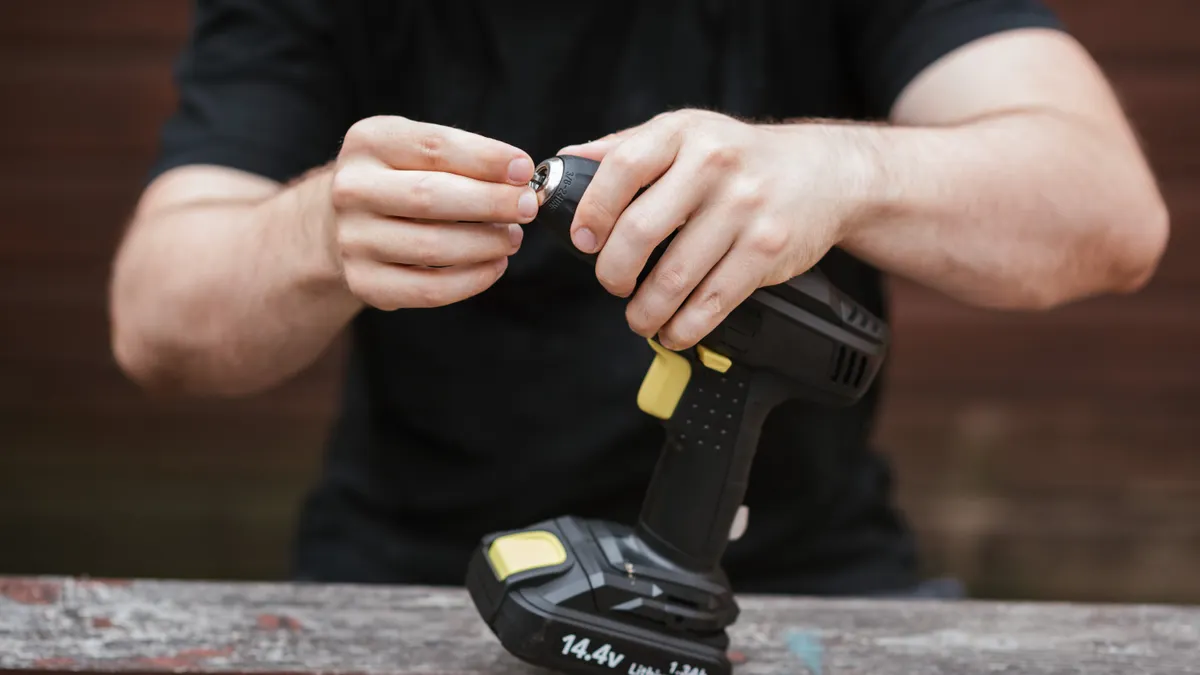
Corded tools are the better buy for stationary work, high-duty-cycle tasks, and buyers who want the lowest long-term hassle with batteries. They are also the safer choice when the tool will sit in a shop for long periods between uses. If a tool is used once every few weeks, battery maintenance can become the annoyance that makes the whole purchase feel wasteful.
Corded makes the most sense for tasks like sanding cabinets, cutting material on a bench, mixing thin-set in a controlled spot, or running a vacuum in a garage. In those settings, the cord is a nuisance, but not a dealbreaker. The upside is simple: no battery aging, no charging station, no uncertainty about whether the pack is charged when the work starts. A buyer who wants a tool ready at any hour often values that reliability more than total freedom.
The weakness is obvious and still worth naming: corded tools are limited by outlet placement and extension-cord management. That limitation becomes a safety issue if the cord crosses walkways, wraps around sharp edges, or sits where a blade can reach it. It also slows setup and teardown. A 12-foot cord sounds workable until the tool has to move around a room. For that reason, corded is wrong for roof work, field repairs, or any task that changes location often.
Cordless tools are the better buy for ladders, tight access, outdoor work, and multi-step jobs where the tool moves with the user. They are the default choice for many homeowners because they lower friction. A drill/driver or impact driver in a 18V or 20V max platform can cover a wide range of tasks without dragging a cord behind the user. That makes it easier to reach into attic spaces, assemble furniture on the floor, or drill in corners where an outlet is nowhere nearby.
The downside is battery dependence. A buyer needs to think about runtime, charging time, and the cost of extra packs. One battery may be enough for short work, but not for a full afternoon. That can be fine if the user works in bursts. It is much less fine if the tool is needed continuously. Cordless is also wrong for buyers who dislike managing chargers, state-of-charge, and storage conditions. Battery University, maintained by Cadex, is a useful reference for lithium-ion charging basics.
The strongest buying decision comes from matching the tool to the most common workday, not the rare dramatic job. If the work is routine and close to an outlet, corded often wins. If the work is scattered and physical access matters, cordless wins.
The honest side-by-side
Corded and cordless do not compete on one trait; they trade across several. The table below shows the criteria that actually change a buying decision.
| Criteria | Corded tools | Cordless tools | Winner for [condition] |
|---|---|---|---|
| Runtime | Unlimited, as long as power is available | Limited by battery capacity | Corded for long sessions |
| Mobility | Restricted by cord length and routing | Free to move with the user | Cordless for access and movement |
| Up-front cost | Usually lower because no battery/charger bundle | Usually higher because packs and charger are part of the system | Corded for budget-first buyers |
| Long-term cost | Fewer battery replacements, but cord wear can happen | Battery aging becomes part of ownership | Corded for infrequent users |
| Power consistency | Stable across the session | Can dip as the battery drains, depending on the tool | Corded for sustained output |
| Weight and balance | Often lighter in hand | Battery adds weight at the handle/base | Corded for overhead fatigue |
| Setup time | More setup with cord routing and extension cords | Less setup; grab-and-go use | Cordless for quick tasks |
| Safety and trip risk | Cord management matters | Fewer trip hazards from the tool itself | Cordless for cluttered spaces |
| Ecosystem value | Minimal, unless the brand has a corded family | Strong if the battery platform covers many tools | Cordless for multi-tool buyers |
| Jobsite flexibility | Best near power sources | Best where power access is poor or inconsistent | Cordless for changing locations |
The table does not say cordless is always better, because it is not. It says cordless wins when movement matters and corded wins when duration and consistency matter. That distinction is what generic buying guides usually flatten into a vague “both have pros and cons” summary.
A buyer should also notice the ecosystem row. That is often the deciding factor. If one brand’s battery platform includes a drill, saw, light, vacuum, and blower, the battery cost gets spread across multiple tools. If the buyer only needs one tool, that ecosystem advantage is much smaller. The opposite is also true: a corded tool can be the better one-off purchase because there is no platform trap. The buyer pays for the tool, not for future brand commitment.
One more overlooked point: the listed voltage on a cordless tool is not the whole story. A 20V max label does not guarantee better performance than a lower-voltage tool from a different class, because motor design, gear ratio, and the tool’s intended duty cycle matter too. Voltage alone is a weak buying guide. It is a specification, not a verdict.
Corded tools: who should actually buy them, and who should skip them?

Corded tools win for buyers who want dependable output, lower upfront cost, and less battery management. That is the clear verdict for workshops, garages, and repeat tasks near a power source.
The strongest use case is the buyer who works in one place and values consistency over convenience. A benchtop sander, shop vacuum, or miter saw often stays where the cord is not a major burden. In those cases, corded tools make sense because the work is already organized around a fixed station. The user does not need to think about battery charge levels or replacement packs, and that removes a layer of friction from the job.
Corded also suits buyers who use a tool infrequently but expect it to be ready years later. Batteries age whether or not the tool is used. A corded tool skips that issue. It also avoids the hidden frustration of discovering that a battery has deteriorated between uses. For a buyer who uses a drill four times a year, the appeal of a simple plug-in tool is obvious.
The weakness is physical inconvenience. A cord can snag on hardware, create clutter, and limit the angle of attack. That is not a minor annoyance; it can change the quality and speed of the work. A user working around furniture, up a ladder, or outdoors may spend as much energy managing the cord as using the tool. That is why corded is a bad choice for mobile jobs, fast repairs, and spaces with poor outlet access.
Corded is also the wrong answer for buyers who want one system to cover a whole range of tasks across a property. If the plan is to build a small tool kit over time, cordless platforms usually offer better expansion value. Corded tools can still be great pieces of equipment, but they do not unify a toolkit in the same way.
The key question is simple: will the tool stay near an outlet, or will the work move around the user? If the answer is “near an outlet,” corded deserves serious attention. If the answer is “all over the place,” skip it.
Cordless tools in Tool selection and buying decisions: the specific situations where they win
Cordless tools win when access, speed, and portability matter more than continuous runtime. That is the right choice for moving work, quick jobs, and buyers who want the tool to follow the task rather than the task following the tool.
The best cordless use cases are the ones that punish cords. Drilling overhead, tightening fasteners in tight corners, carrying a tool up a ladder, or moving between rooms all favor cordless. The user can start work faster, reposition without unplugging, and keep the workspace cleaner. For home users especially, that ease of use often determines whether the tool gets used at all.
Cordless also wins when the buyer is building a battery ecosystem. A single battery platform can cover a drill, impact driver, oscillating tool, flashlight, vacuum, and saw. That has real value because the charger and batteries become shared infrastructure. The buyer pays once for the platform, then adds bare tools as needed. For households with several jobs to do but limited storage, that matters more than raw tool specs.
The main weakness is battery dependence. A cordless tool can be excellent for ten or twenty minutes and then inconvenient if the user has no spare pack. That is not a theoretical problem. It is the reason some buyers complain that cordless tools feel strong until the battery is empty. Runtime is not just about the tool; it is about how many batteries, chargers, and charging habits the buyer is willing to maintain.
Cordless is also a poor fit for buyers who work in one location for hours and dislike recharging logistics. A battery system can become expensive if the buyer keeps adding packs to avoid downtime. At that point, the convenience advantage shrinks. For stationary users, a corded tool often delivers simpler ownership.
One useful rule: if the tool must be carried or repositioned often, cordless is usually the better buy. If the tool mostly sits in one place and runs for long stretches, the corded version is often the smarter purchase.
What a generic buying guide usually gets wrong
A generic guide usually treats volts, amps, and brand reputation as if they were enough to choose the right tool. They are not. The first missing piece is duty cycle. A tool that performs well in brief bursts may be a poor fit for sustained use, even if the headline spec looks strong. Buyers need to ask how long the tool must work before it can rest, not just how powerful it sounds.
The second mistake is ignoring the ecosystem. Cordless tools are rarely purchased one at a time forever. Once a battery platform is chosen, it shapes future purchases. That makes the first battery decision more important than most buyers realize. A platform with several compatible tools can justify a higher initial cost. A platform with only one or two useful tools can trap the buyer into expensive expansion later.
The third mistake is skipping maintenance cost. A corded tool may need little more than storage and the occasional cord check. A cordless tool adds battery care, charging habits, and eventual replacement. A buyer who ignores that difference often feels surprised later, then blames the tool for a problem that was actually predictable from the start.
The fourth mistake is overvaluing “maximum power” language. A 20V max label, a brushed motor, and a large torque number do not automatically mean the tool is right for the job. The buyer needs to match the tool’s design to the task. For example, a compact driver designed for assembly work is a poor substitute for a hammer drill meant for masonry. The label alone cannot tell the story.
The fifth mistake is choosing for the rarest job instead of the most common one. A buyer who needs a tool 90% of the time for light indoor work and 10% of the time for a heavier outdoor job should not buy for the 10%. That leads to overspending and extra weight for no real benefit. The right decision usually serves the frequent task first.
A better buying process asks four questions: where will the tool be used, how long will it run, how often will it be used, and what other tools will share the same platform? Those four questions beat any marketing page.
Exception scenarios where the verdict flips
The main verdict is not fixed. It flips in a few specific cases, and those cases are common enough to matter.
First, cordless can beat corded even for long jobs if the user already owns enough batteries and chargers in the same platform. A buyer with multiple high-capacity packs can keep moving while one charges. That changes the economics. In that case, the convenience of cordless may outweigh the higher entry cost, especially if the work site changes often.
Second, corded can beat cordless for a buyer who works in a single shop but values minimal maintenance above all else. If the tool sits on a bench, the cord is a small nuisance compared with battery upkeep. A shop owner who wants the tool to be ready every time without managing charge cycles may be better served by a plug-in model.
Third, cordless becomes the better answer when the jobsite has poor or unreliable power access. Renovation work, exterior repair, outbuildings, and remote property maintenance often make cords impractical. In those settings, a cordless tool can save more time than any spec sheet suggests.
Fourth, corded can be the smarter purchase when the tool is large, heavy, and used in one fixed spot. A stationary saw, grinder, or vacuum can stay plugged in without creating the same pain point as a handheld tool. The bigger and more stationary the tool, the more reasonable corded becomes.
These exceptions matter because they show that the “best” answer depends on the work pattern, not on brand loyalty or a single feature. A buyer who notices these flips will usually spend better than a buyer who searches only for the most powerful option.
How to choose without second-guessing yourself
Choose corded if the tool will live near an outlet, run for long sessions, and be used in a fixed place. Choose cordless if the tool has to move with you, jump between locations, or work where cords create more trouble than they solve. Neither if the tool will sit unused because the job is too rare, too small, or already covered by a rental, borrow, or shared shop tool.
That is the cleanest buying rule because it separates use case from hype. A tool is not a status object. It is a working object. If the tool does not match the work pattern, the purchase becomes clutter with a motor attached.
A final filter helps narrow the field: buy the tool that solves the current job with the fewest new habits. If the current job is in a garage with predictable access to power, corded may be the simplest answer. If the current job is a ladder, a crawlspace, or a yard, cordless may be the only practical answer. If the job does not justify ownership at all, stop there and do not buy just because the spec sheet looks tempting.
Questions buyers should ask before paying
Corded and cordless are not the only questions, but they are the first ones that matter. Before paying, a smart buyer should also ask how the tool will be stored, who else will use it, and whether the battery platform can grow with future purchases.
Storage matters because a good tool can become a bad purchase if it lives in the wrong place. A charger on a crowded shelf is not a system; it is a hassle. Shared use matters because a family or team may need a tool that is obvious to pick up and easy to return. Future growth matters because a cordless battery platform can be a long-term asset or a dead end.
This is where many buyers overfocus on one purchase and underfocus on the next five. A tool choice is rarely isolated. The first drill often shapes the second driver, the third light, and the fourth vacuum. The right buying decision often has less to do with the single tool and more to do with the ecosystem around it.
For authoritative guidance on electrical safety and battery handling, I would check the U.S. Consumer Product Safety Commission for tool safety warnings and the Battery University resource maintained by Cadex for lithium-ion charging basics; standards bodies such as UL and IEC also publish relevant safety standards for battery packs and chargers. Those sources do not tell a buyer which brand to choose, but they do anchor the safety side of the decision.
Key takeaways in Tool selection and buying decisions
- Corded tools favor fixed-location work, long runtime, and lower upfront cost.
- Cordless tools favor mobility, quick setup, and jobs that move around the user.
- Battery ecosystems matter more than most buyers expect.
- Voltage and headline power claims are not enough to judge fit.
- The best purchase solves the most common job, not the rarest one.
- The wrong tool choice usually creates friction first, then regret later.
The verdict
Choose corded if the tool will stay near an outlet, run for extended periods, and be used mostly in one place. Choose cordless if the work moves across rooms, ladders, outdoor spaces, or job sites where a cord would slow you down. Neither if you are buying for a one-off task, a role you can rent for, or a use case that does not justify ownership.
Drafted with AI; not yet reviewed by a person.